
Summary
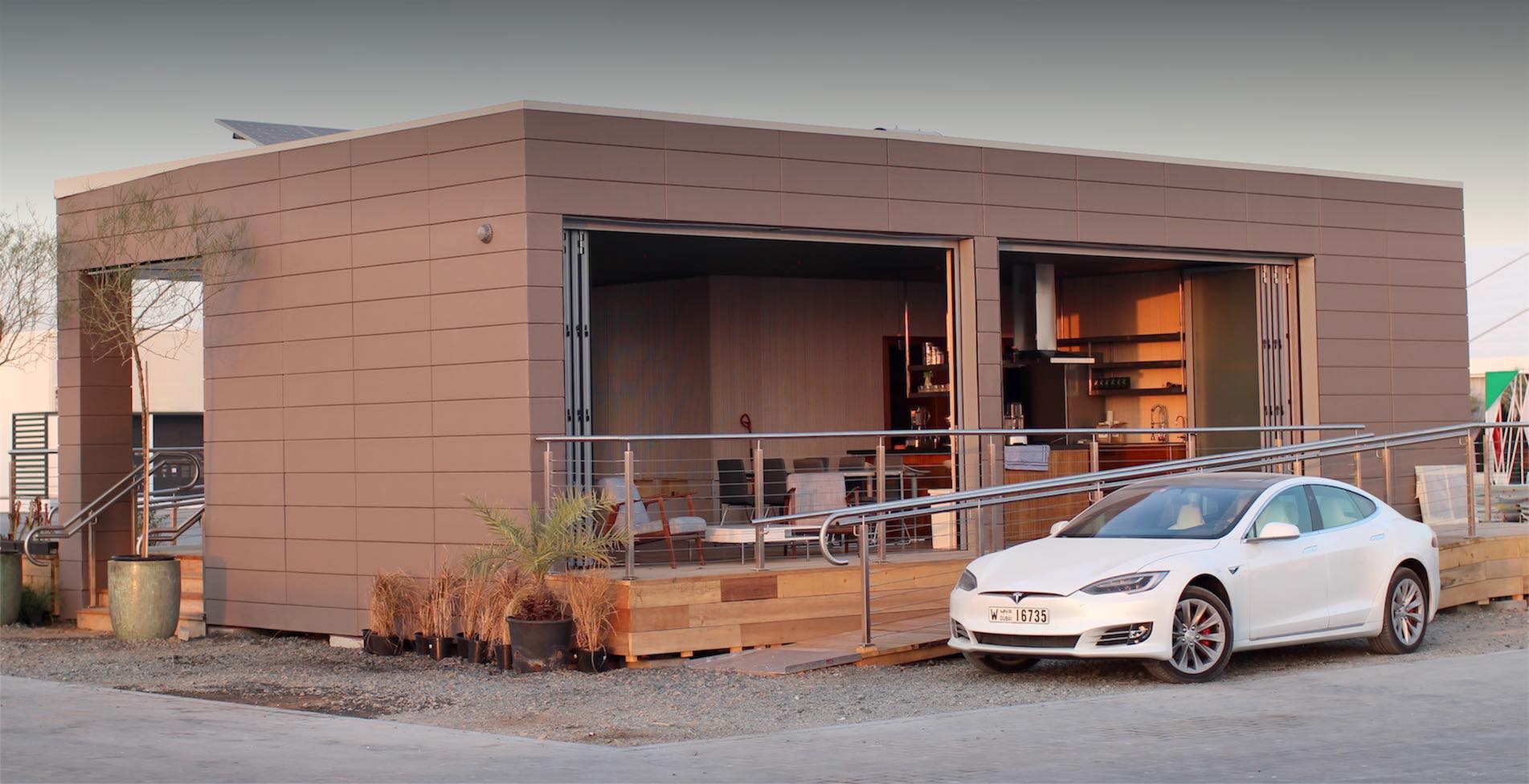
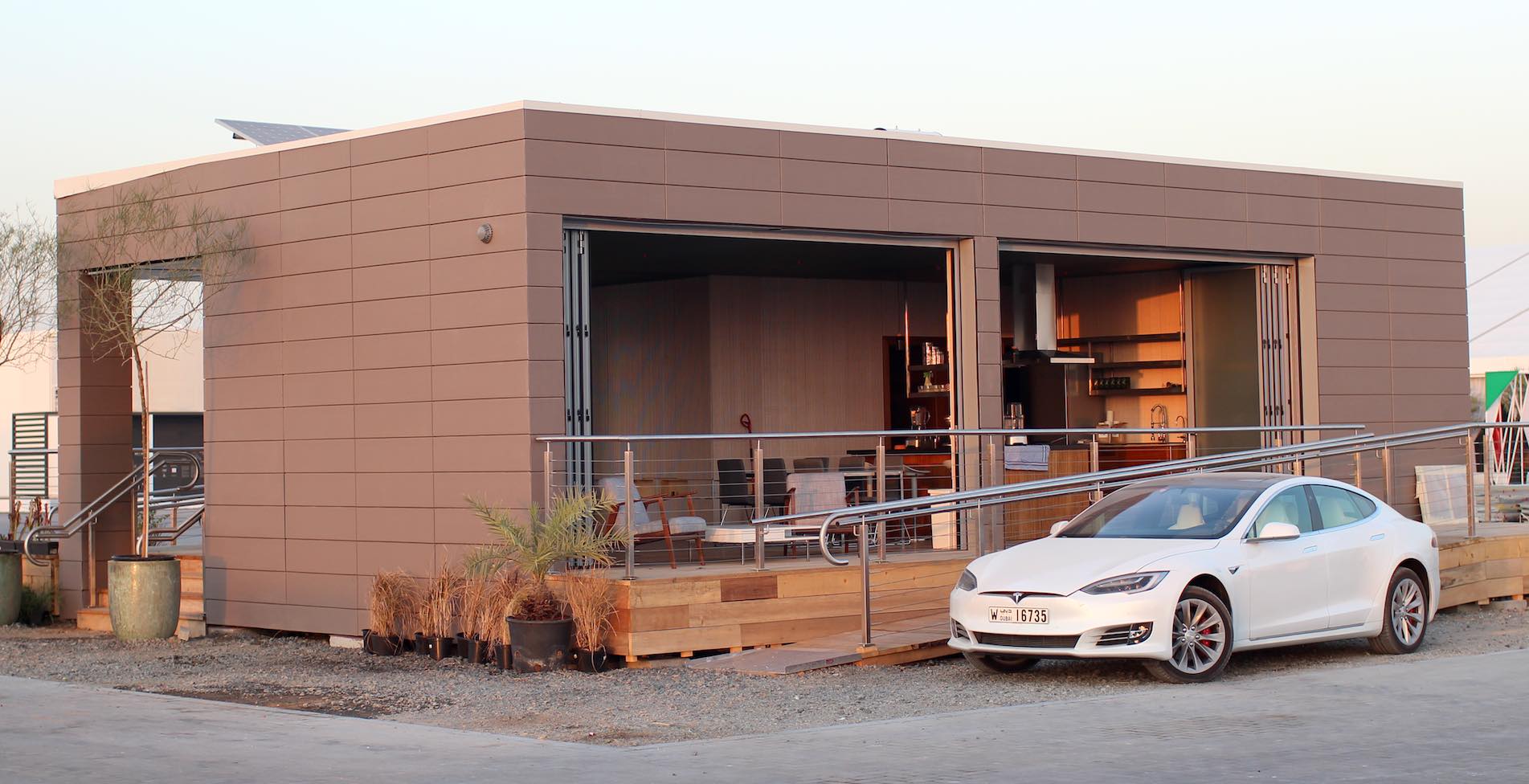
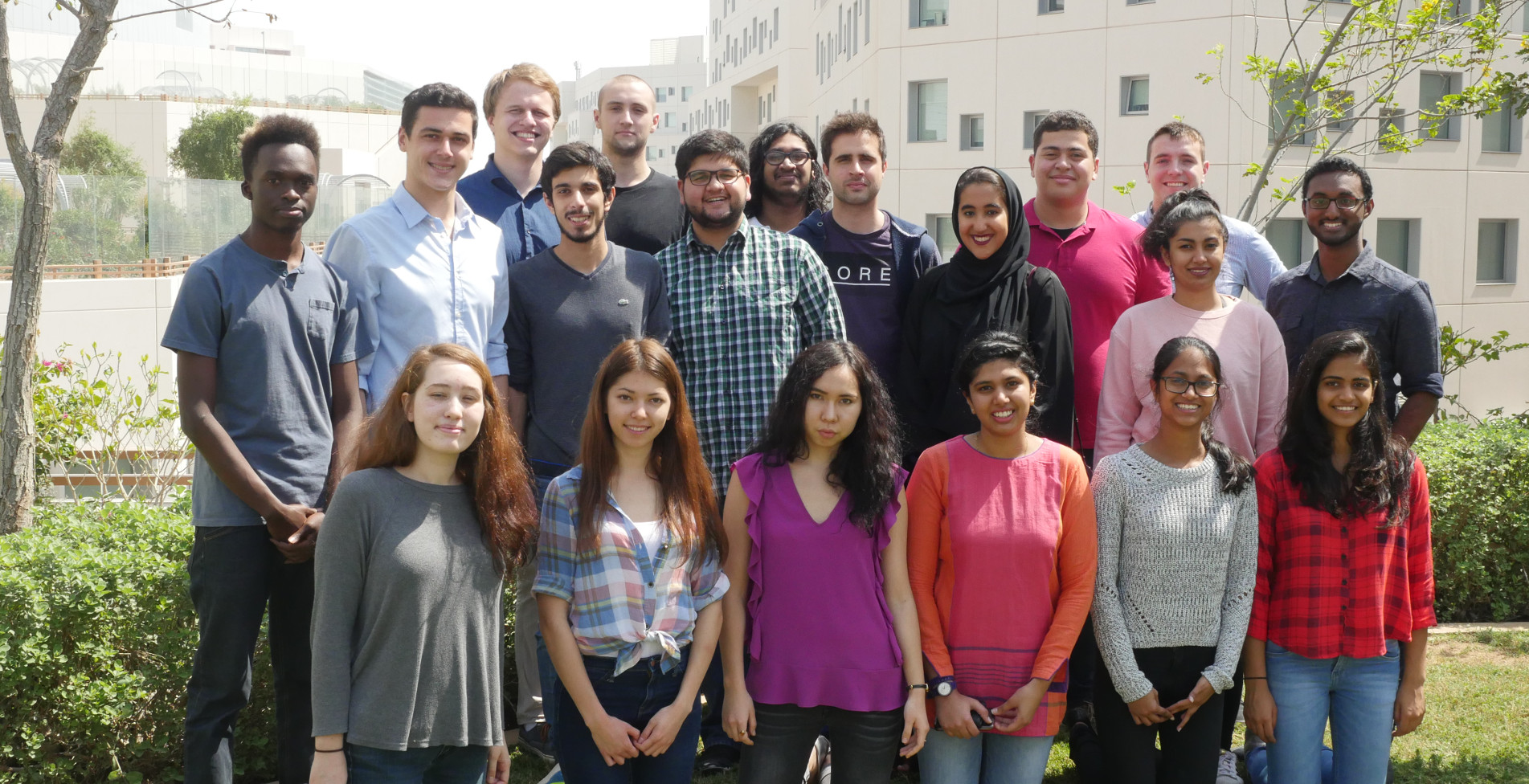
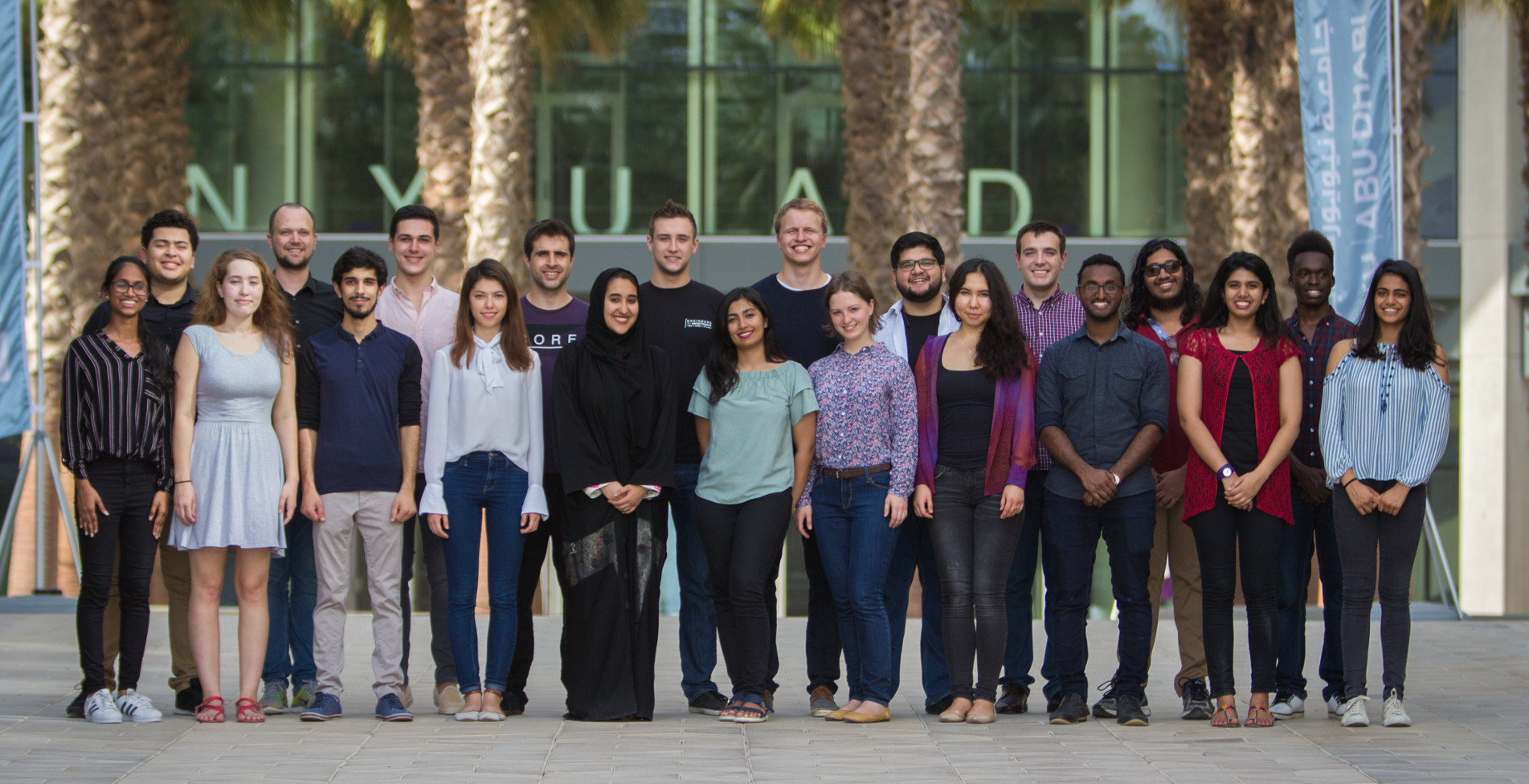
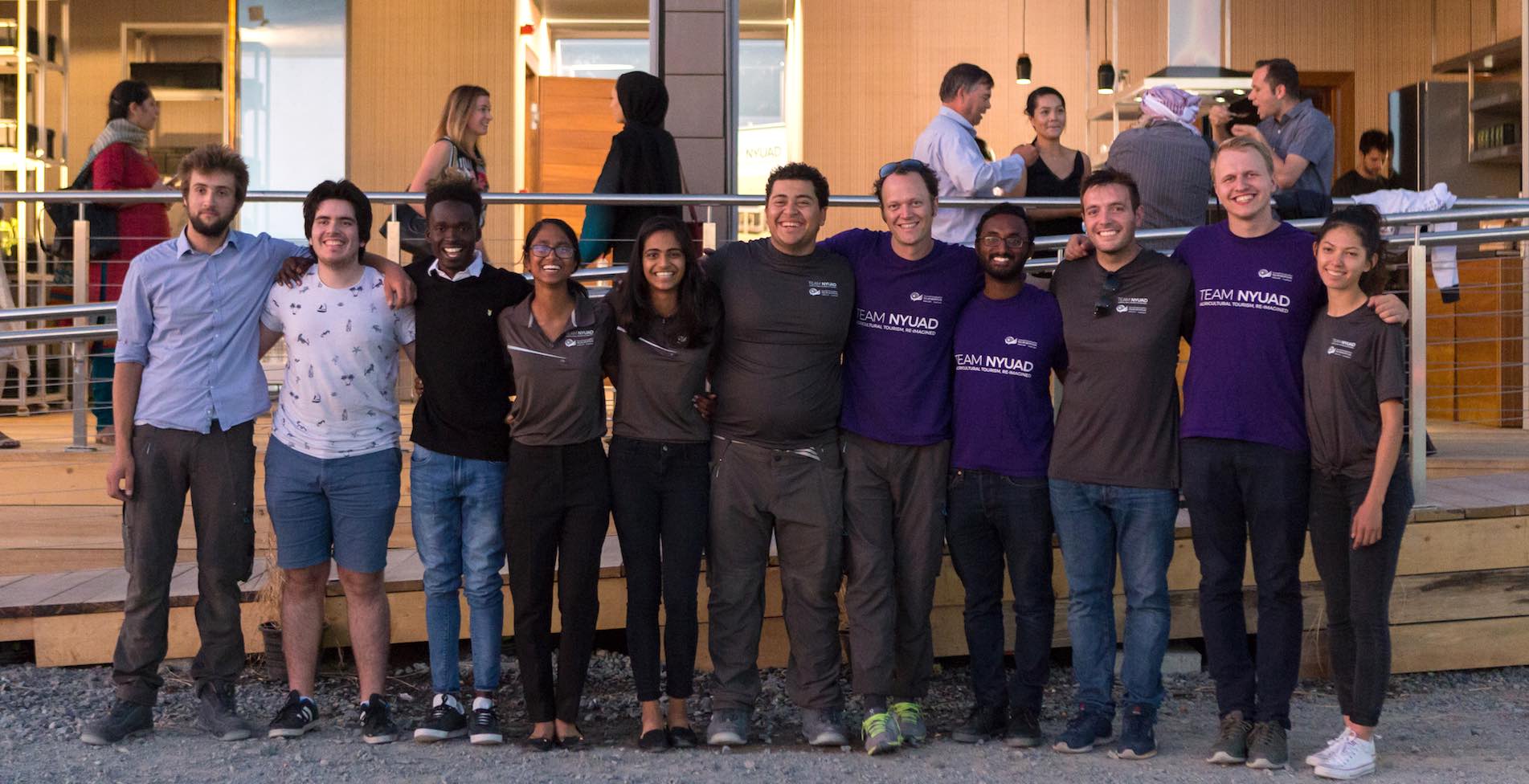
Students from NYU Abu Dhabi designed and built an experimental dwelling for the 2018 Solar Decathlon Middle East (SDME). Their house was again exhibited at the 2020 edition of the Solar Decathlon Middle East which was delayed to late 2021 due to COVID-19. Both competitions were organized by the Dubai Energy and Water Authority (DEWA) and hosted at a site adjacent to the Mohammed bin Rashid Al Maktoum Solar Park.
Vision + Mission
- Vision: Agricultural Tourism, reimagined.
- Mission: Design and build a radically-upgradeable home that serves as an iconic "Agricultural Tourism" destination in the UAE while adhering to the rules of SDME and while employing and expanding global best practices in sustainable design and development.
Project Narrative
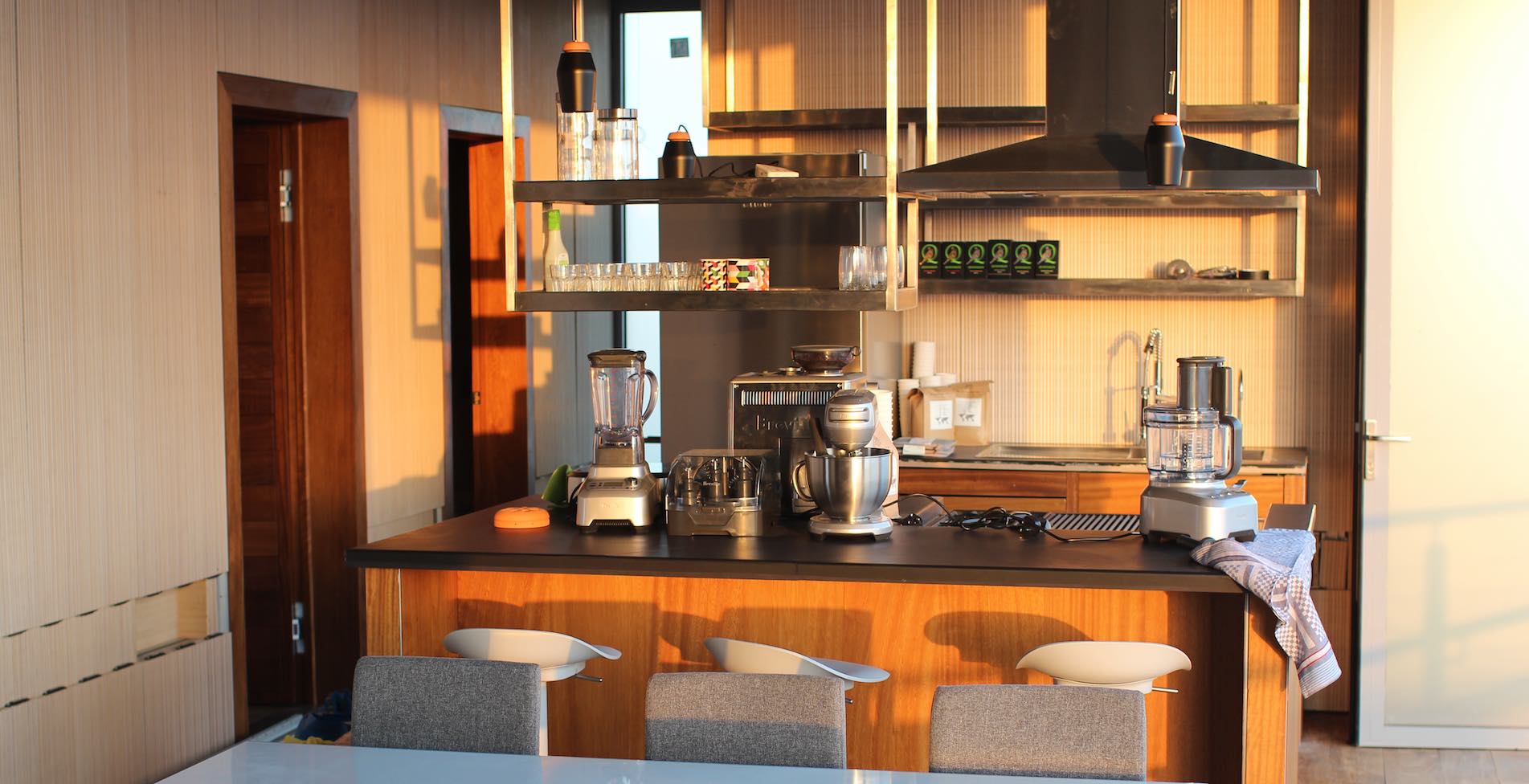
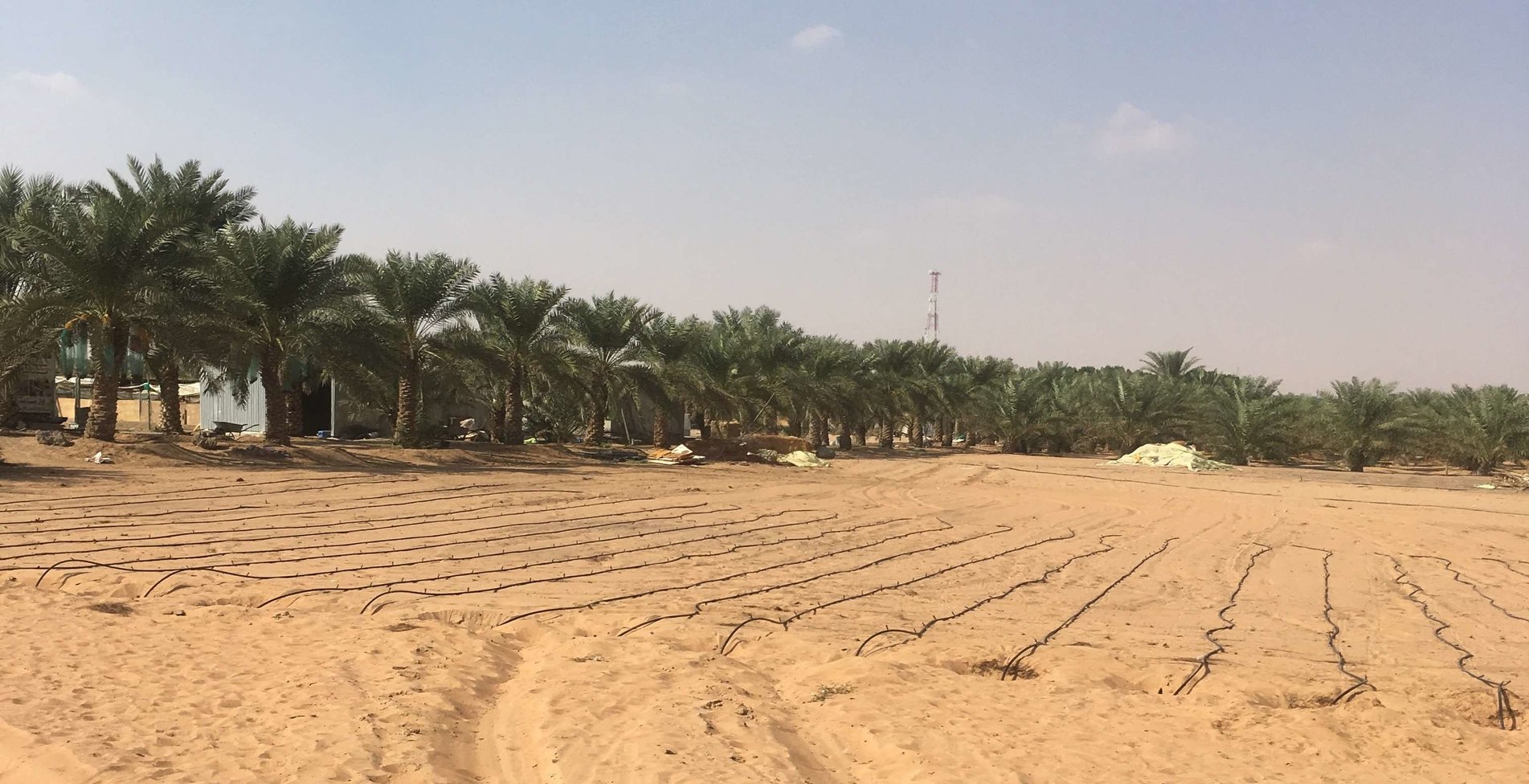
Team NYU Abu Dhabi presents the first solar-powered, agricultural tourism destination in the UAE, combining fogponics and local food production at a household scale to comfortably connect guests with breathtaking landscapes and ambitious initiatives in food security and resource conservation.
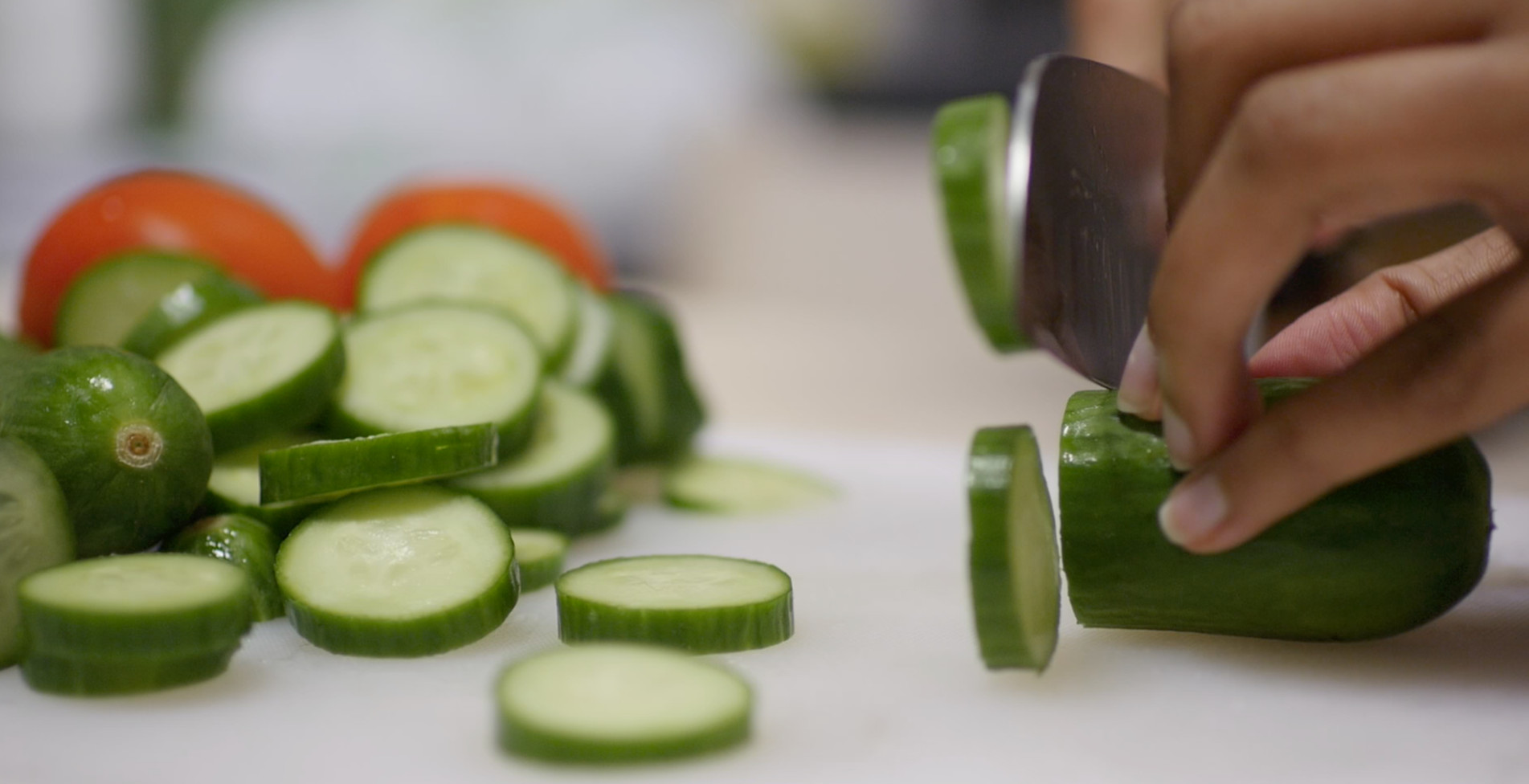
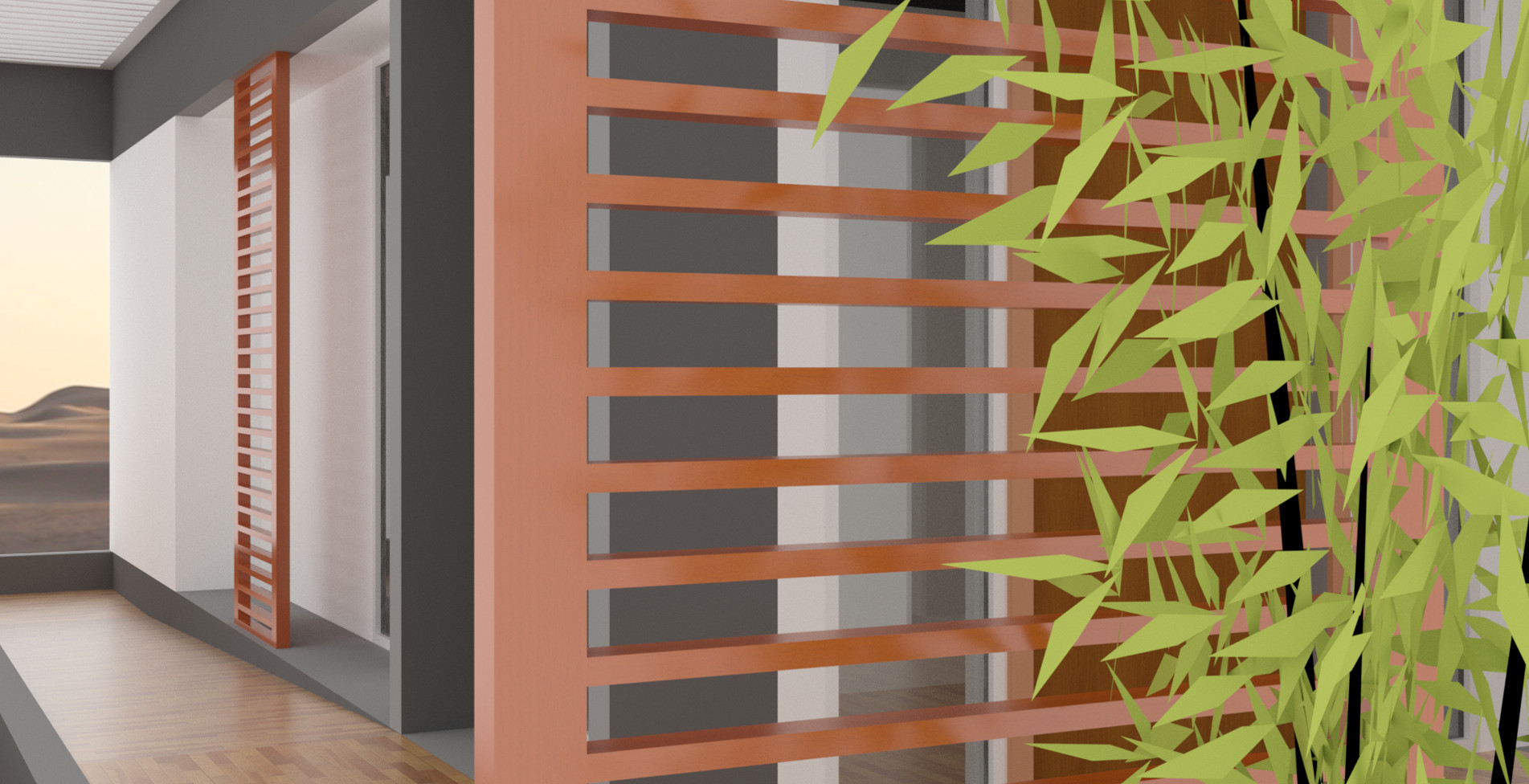
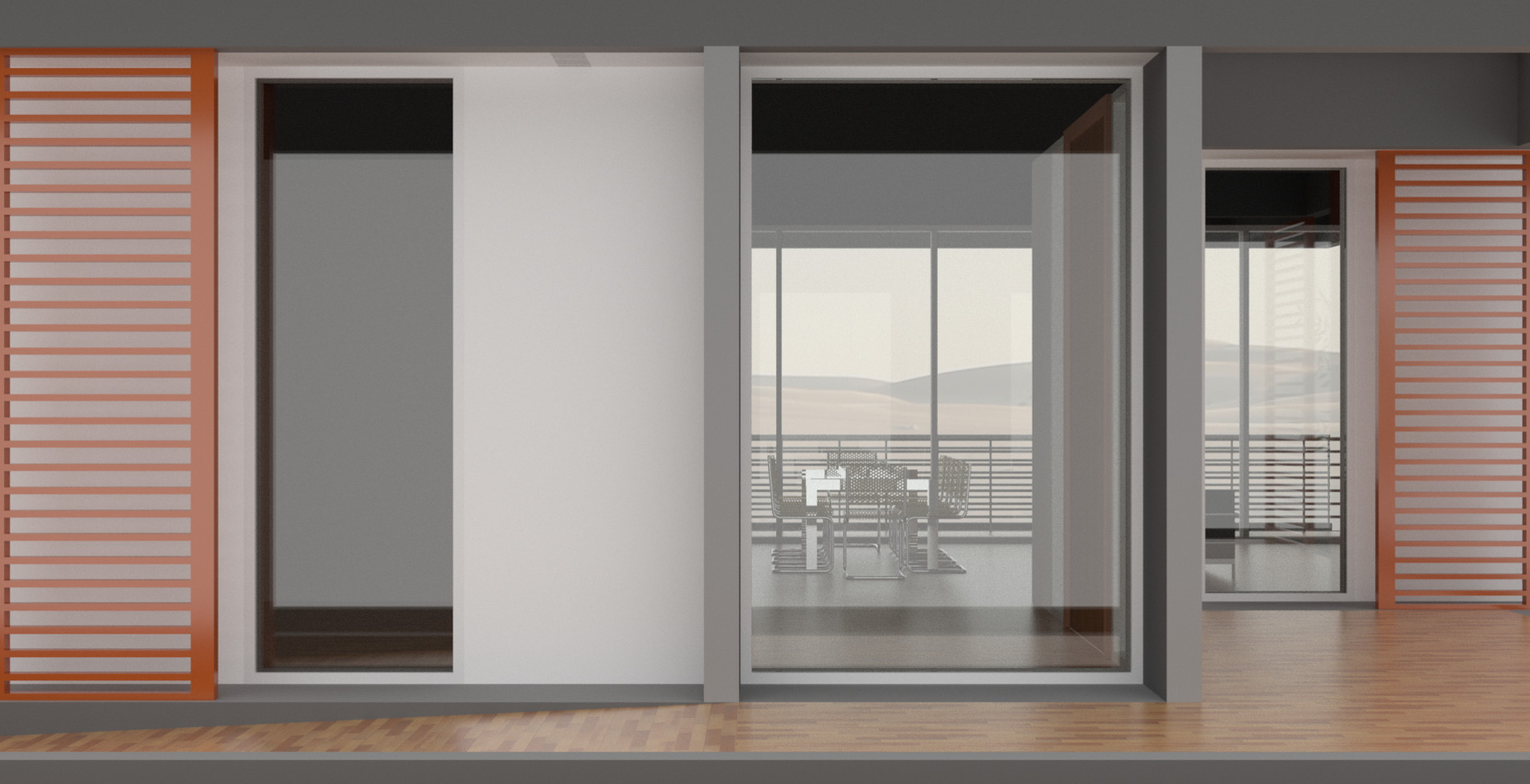
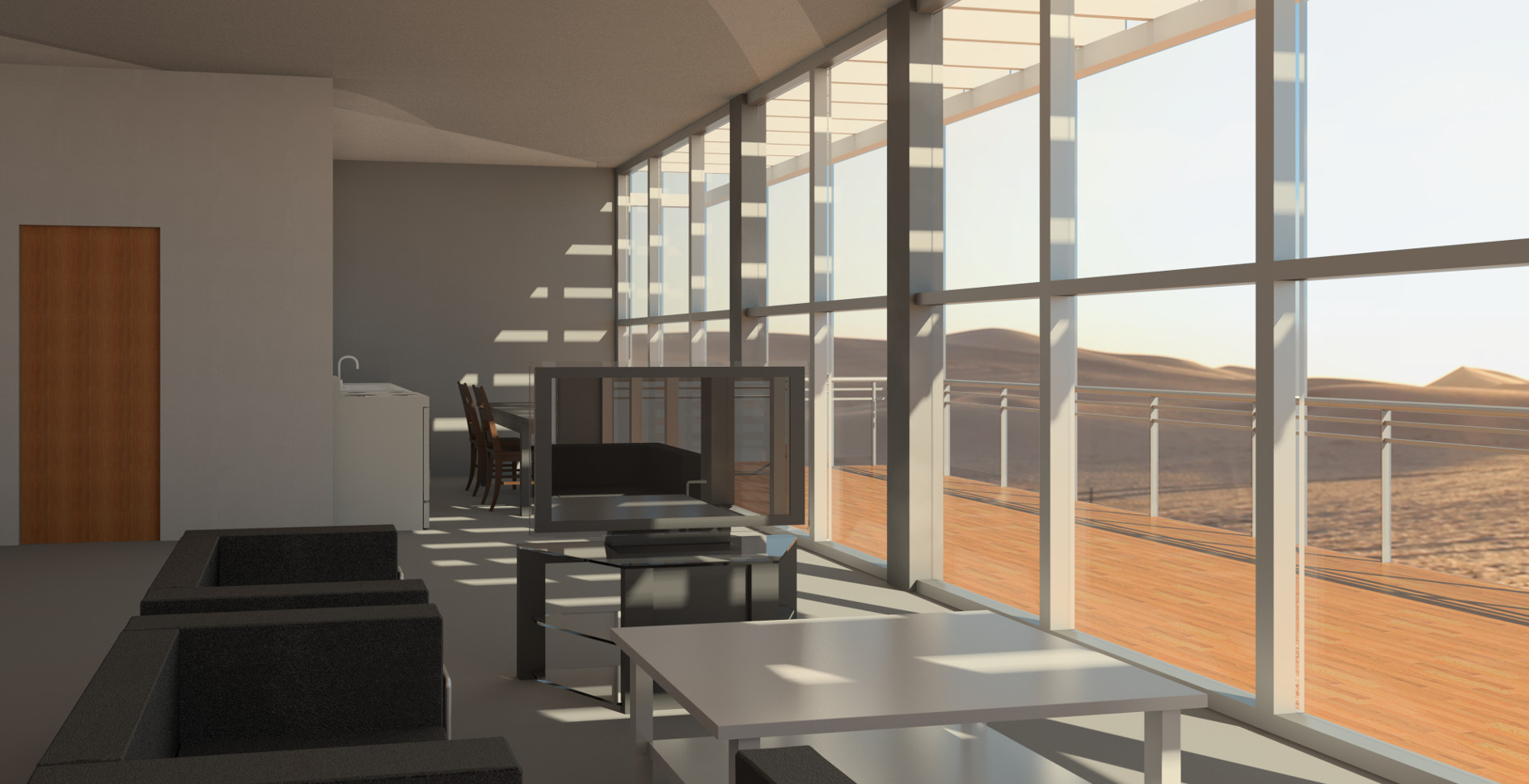
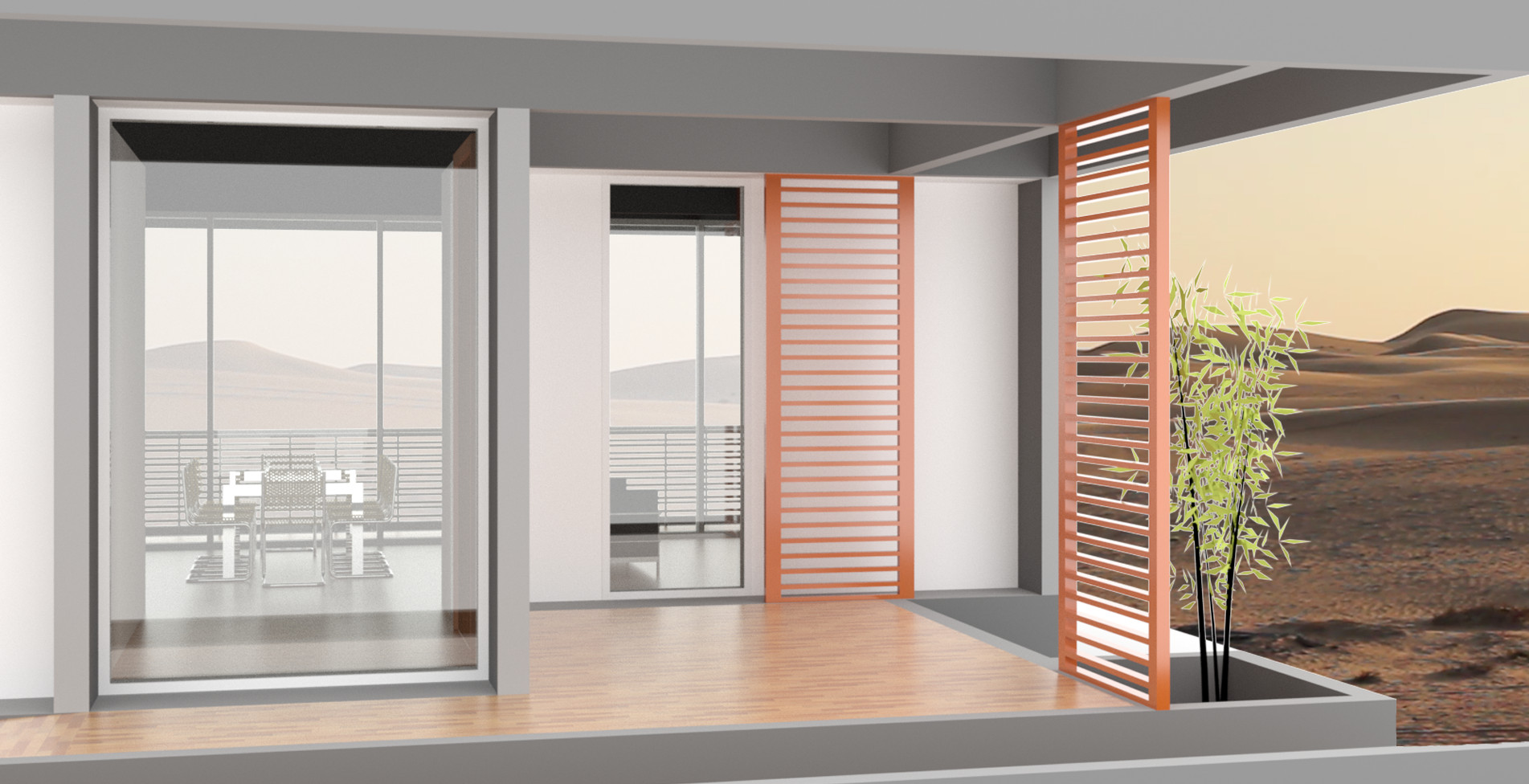
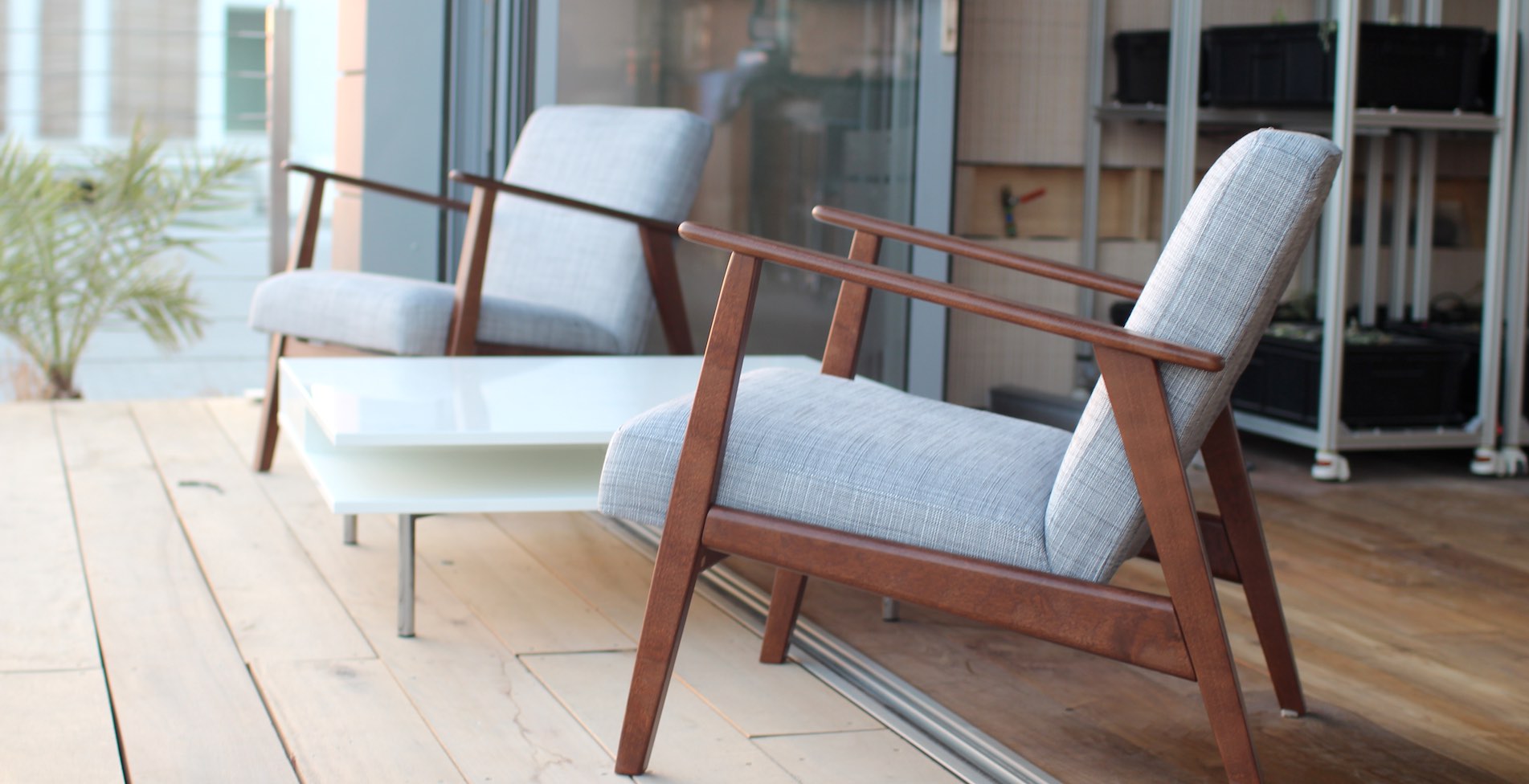
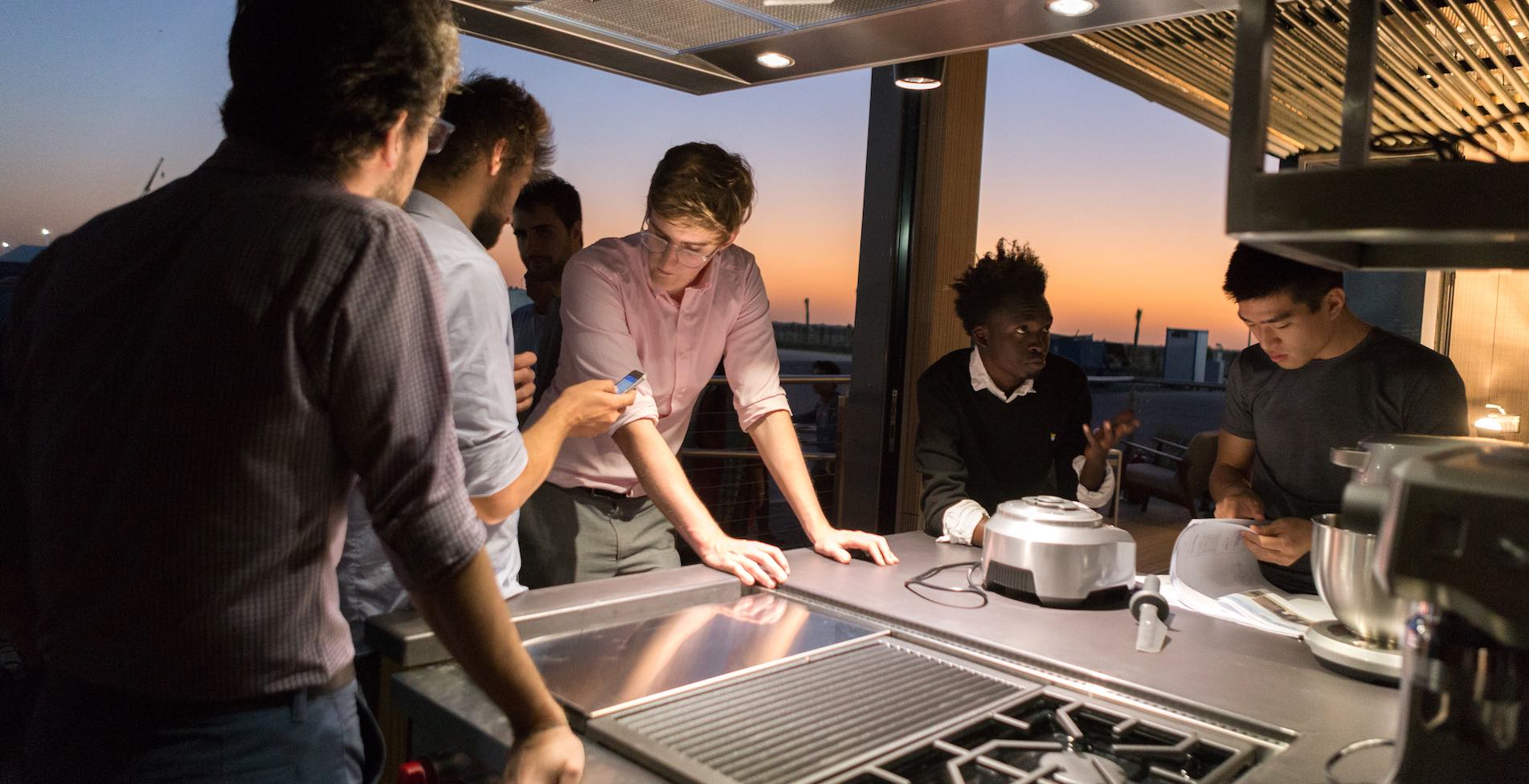
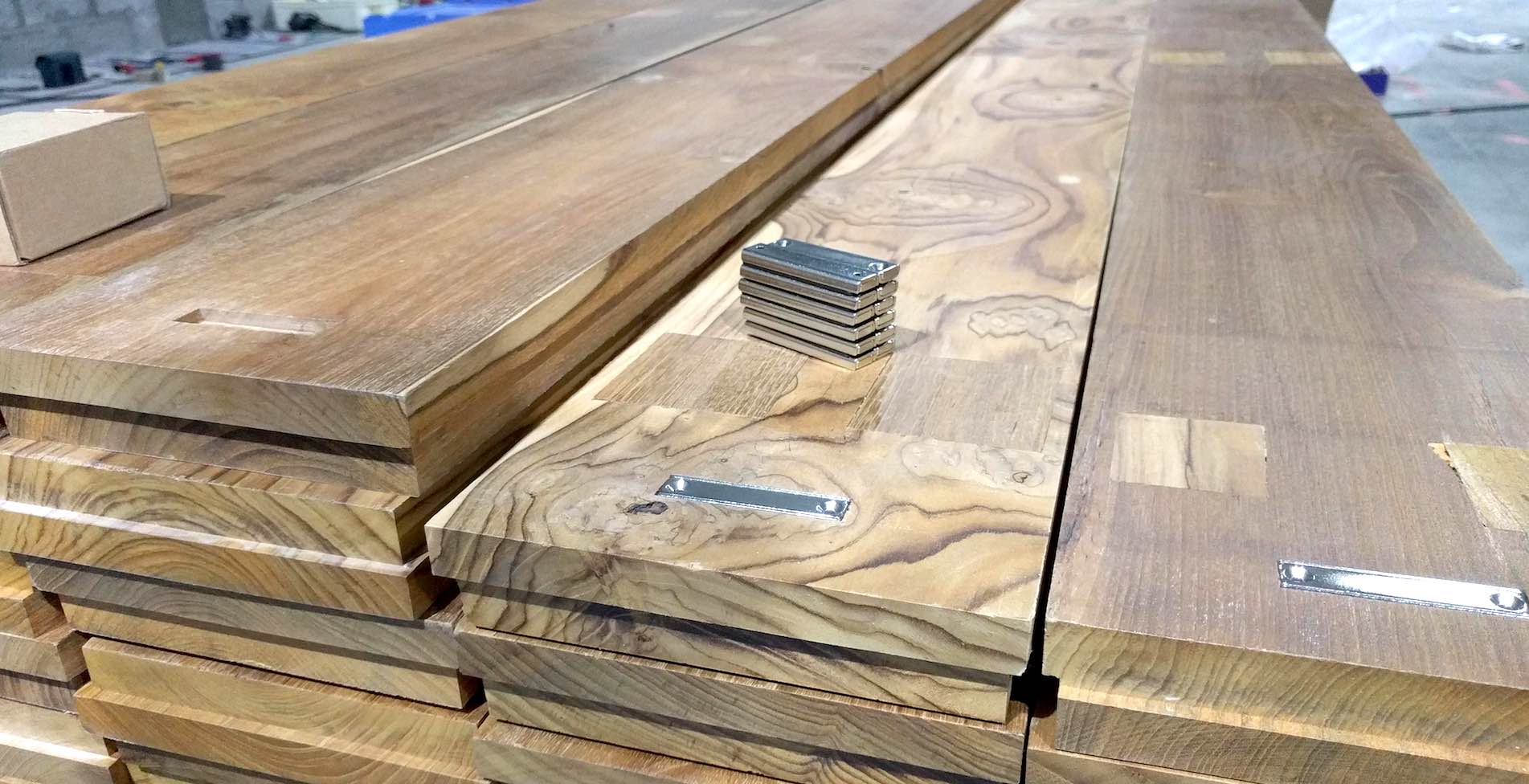
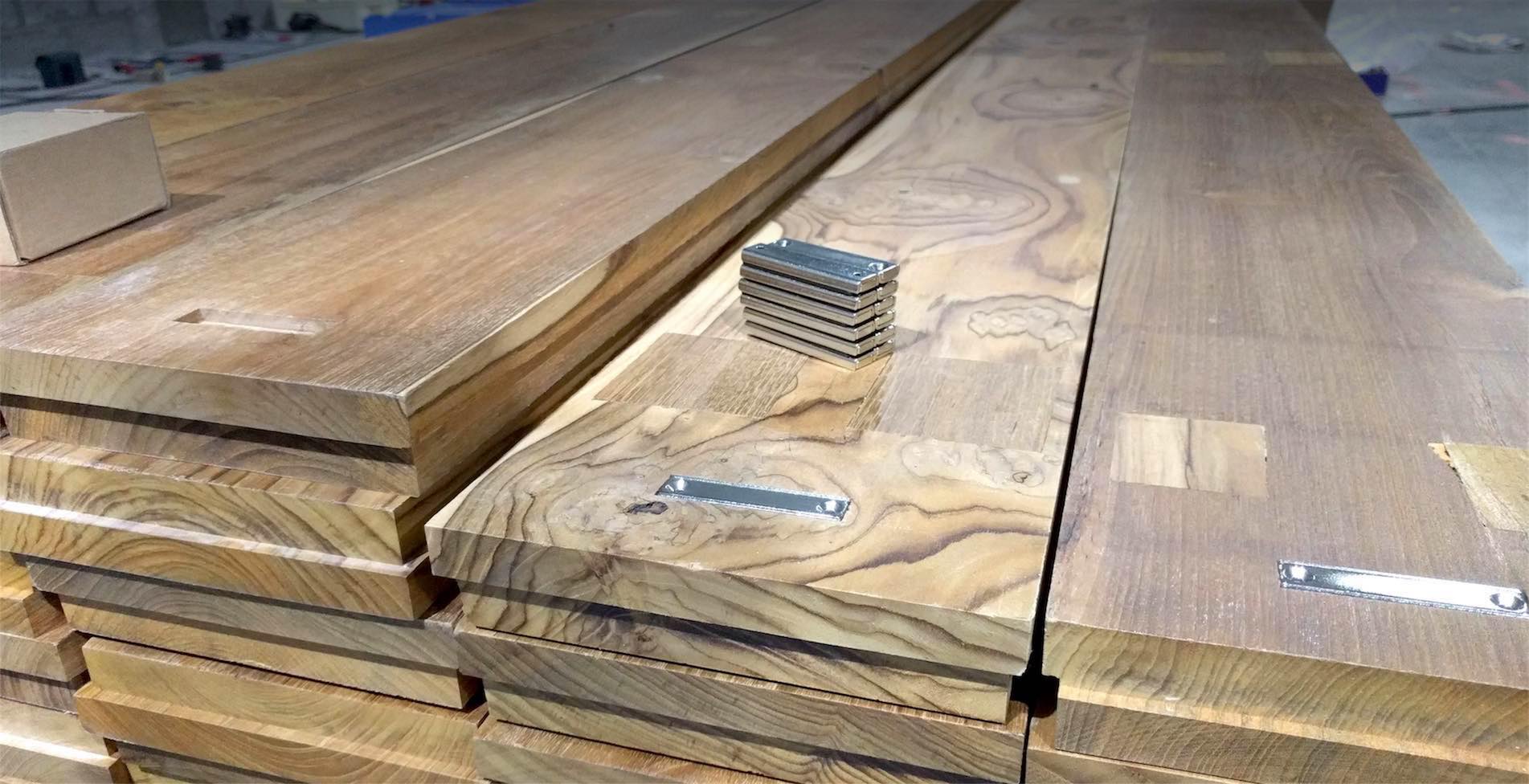
The house celebrates the past and future of food, culture and design in the Emirates, reimagining sustainable living – classic and modern interpretations of recipes from ingredients grown in nutrient-rich clouds, reclaimed wood alongside high-performance engineered materials, abundant natural light streaming through floor to ceiling windows with passive and active systems balancing energy use.
Mindful that the future inevitably brings unforeseen innovations, the house is designed to ease retrofitting and readily accommodate the continuous advancements in technology and infrastructure. Modular prefabrication enables smooth assembly while going above and beyond environmentally-friendly standard practices, offering novel approaches to construction methods. Technology seamlessly enhances user experiences by quietly monitoring, automating, and optimizing house functions with minimal user input.
These principles, in harmony, form the foundation of Team NYUAD’s future-ready house that addresses the challenges of the Solar Decathlon Middle East and beyond.
Concept Development Process
In 2016, when the Solar Decathlon Middle East competition was announced, a large group of students at NYUAD expressed interest in participating. However, as is common when considering designs for "sustainability", many early team members were drawn to influencer-driven concepts of tiny homes, container homes, and up-cycling. While these "green" approaches can work occasionally and are enjoyable approaches for personal initiatives, they served to steered the team's early thinking in directions that were likely too well-known and repeatedly over-explored by others.
As the team began to venture away from classic and stereotypical "sustainable" approaches, they began identifying creative ways to make the most of what they were realizing was destined to become an all-consuming, 2-year long, unpaid, uncredited super-project, beyond anything they ever would have imagined doing as undergraduates.
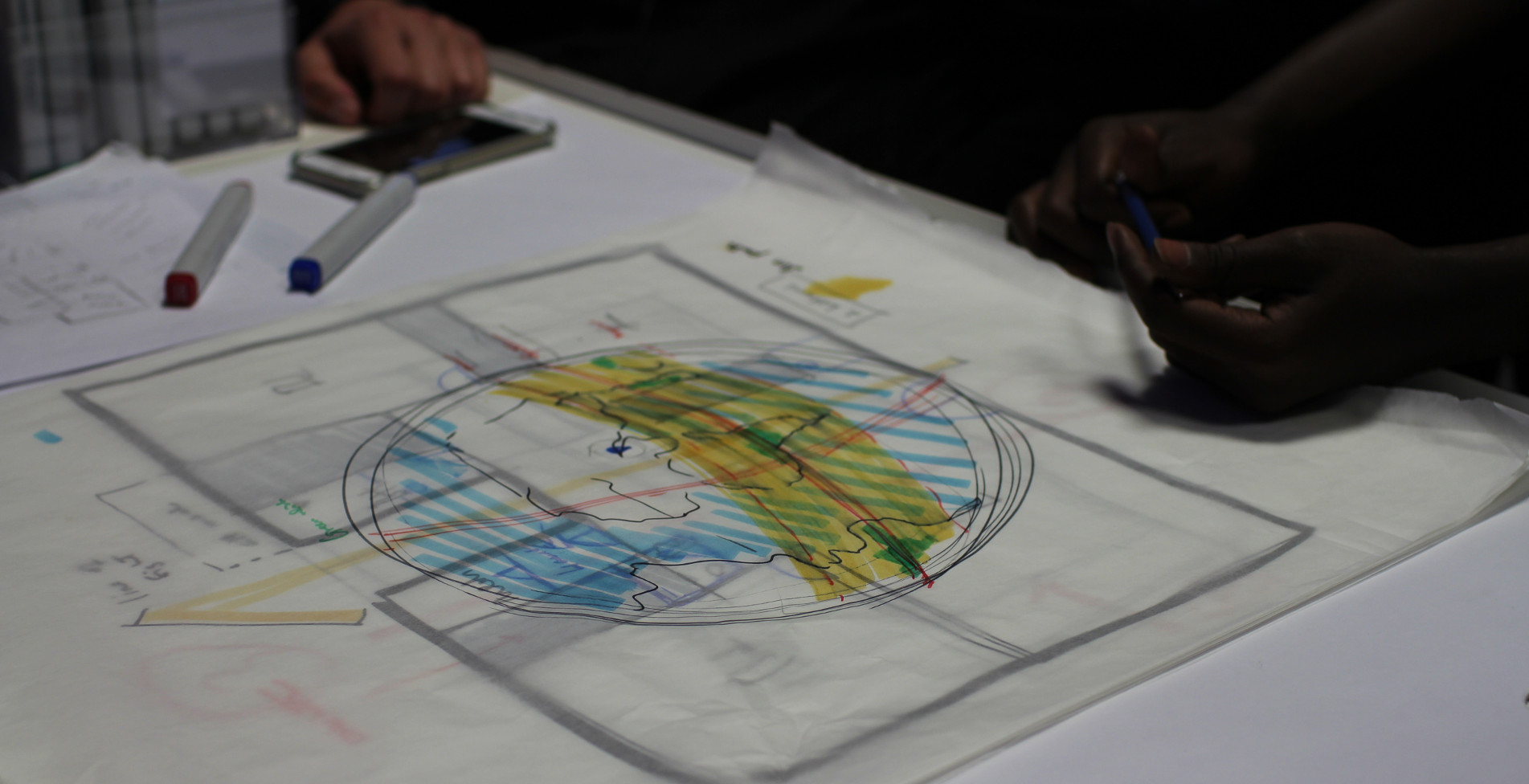
Once triggered to begin more deeply exploring the unlikely opportunities that the competition unlocked, the team began to see chances to build an experimental platform that questioned and reconsidered what future houses might look like. While they still needed to comply with the rules of SDME, the team identified degrees of freedom that would allow them to produce a house that they knew needed to exist rather that a house that merely complied with the competition guidelines.
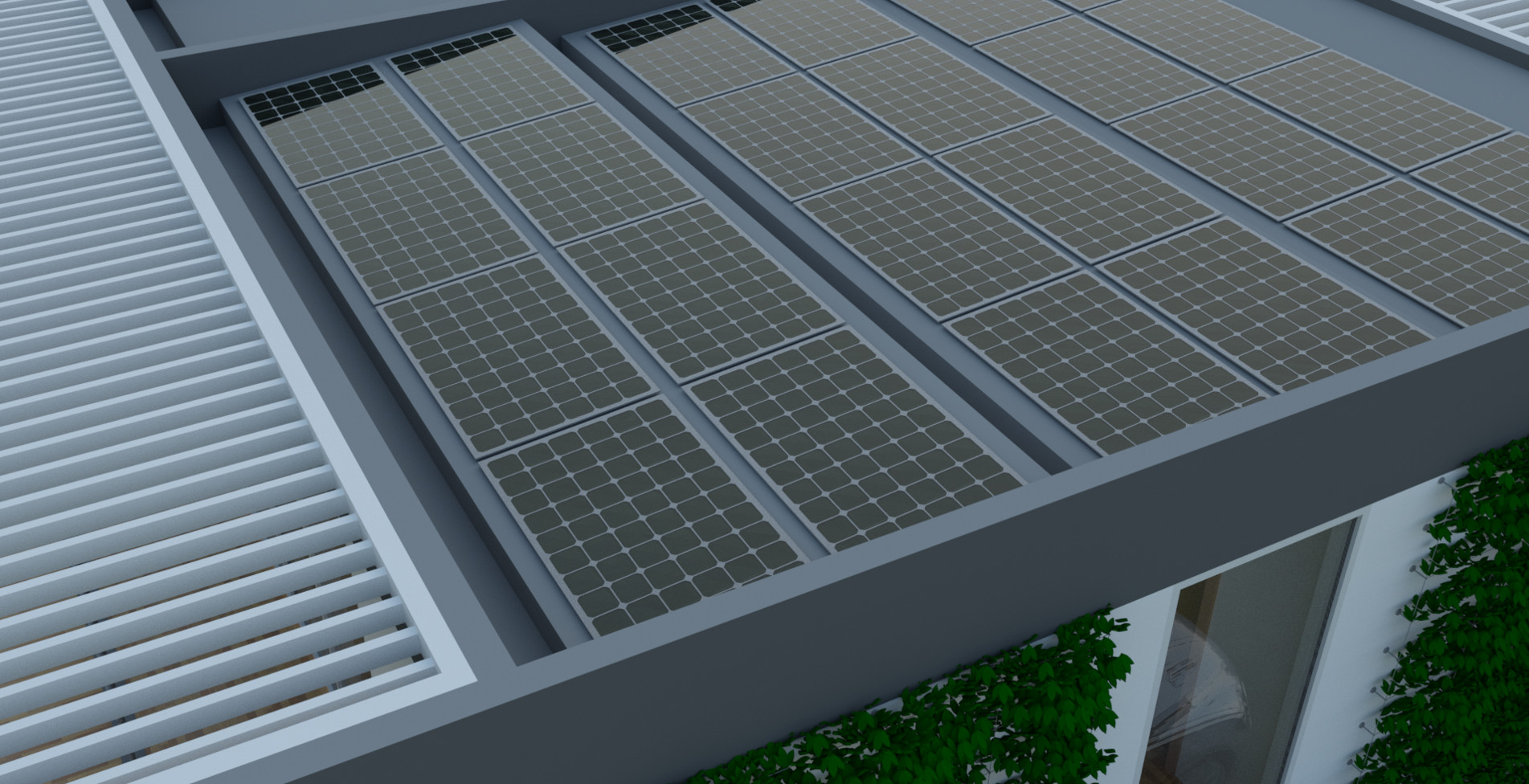
A big turning point in their thinking came when they realized that in order to make a house run off of solar energy in 2018, the answer was simply to build any standard structure and put solar panels on top. The technical challenges were long-ago solved. The SDME competition, at its core, seemed to almost reduce down to an advanced shopping and logistics exercise.
Their focus, after that epiphany, and after deep research and many tough conversations, shifted to imagining making a future-proof house in which all materials and surfaces would be upgradeable without requiring massive re-construction or remodeling work. In parallel, they found an additional inspiring challenge of making the house an "Agricultural Tourism Destination" to demonstrate high-tech, indoor agricultural techniques inspired by those being experimented with in the UAE.
As the team began specifying details of the house, they further discovered that the majority of the design was likely to be accidentally composed of "the best solutions available in 2016/17" which had actually been on the market for 5+ years. When the house would eventually be constructed in late 2018, it would inadvertently be composed of ideas and materials that were nearly a decade out of date. This further motivated the guiding principle that "all surfaces and materials must be upgradeable" with the expectation that future, unforeseen advances should be easily incorporated into the home.
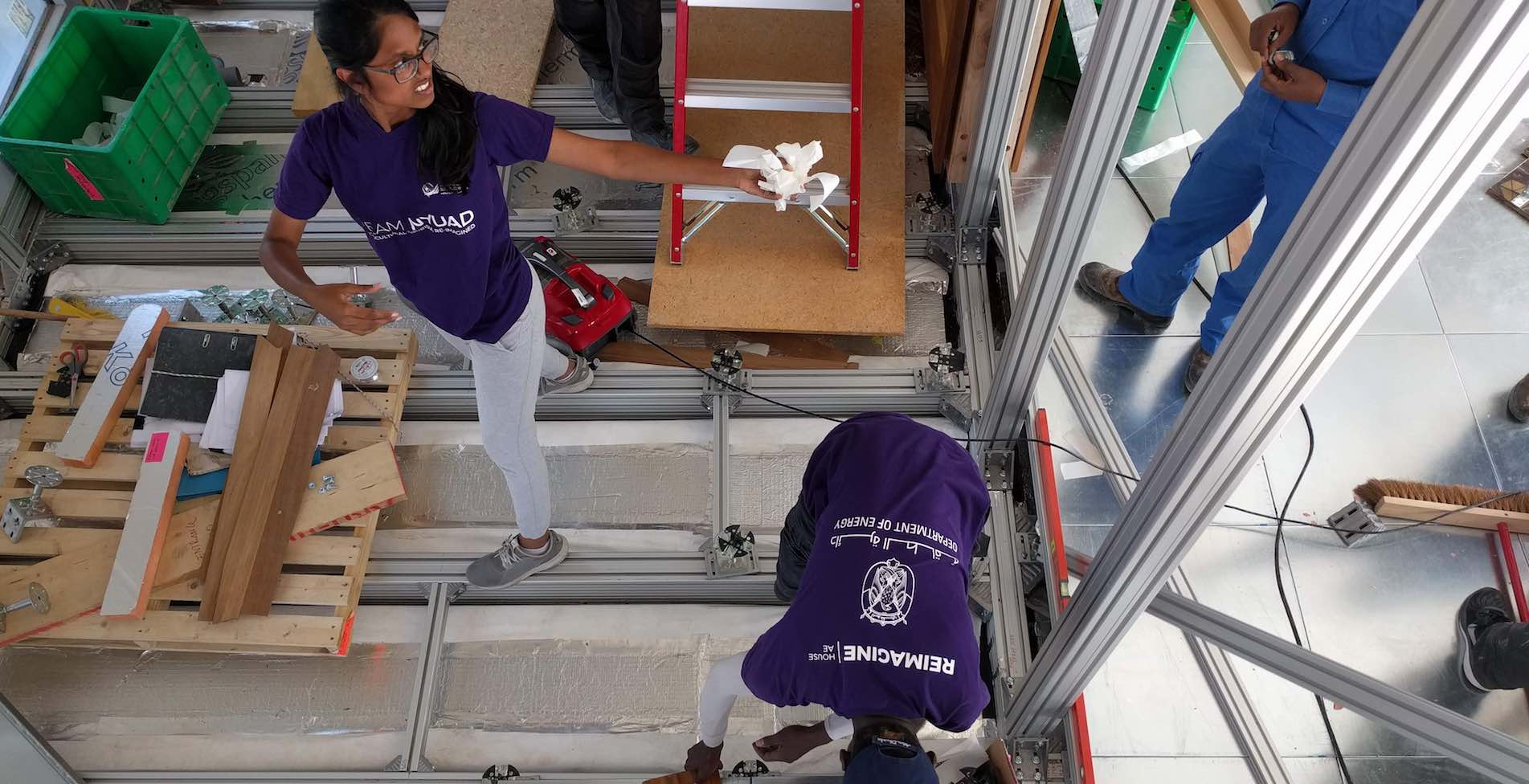
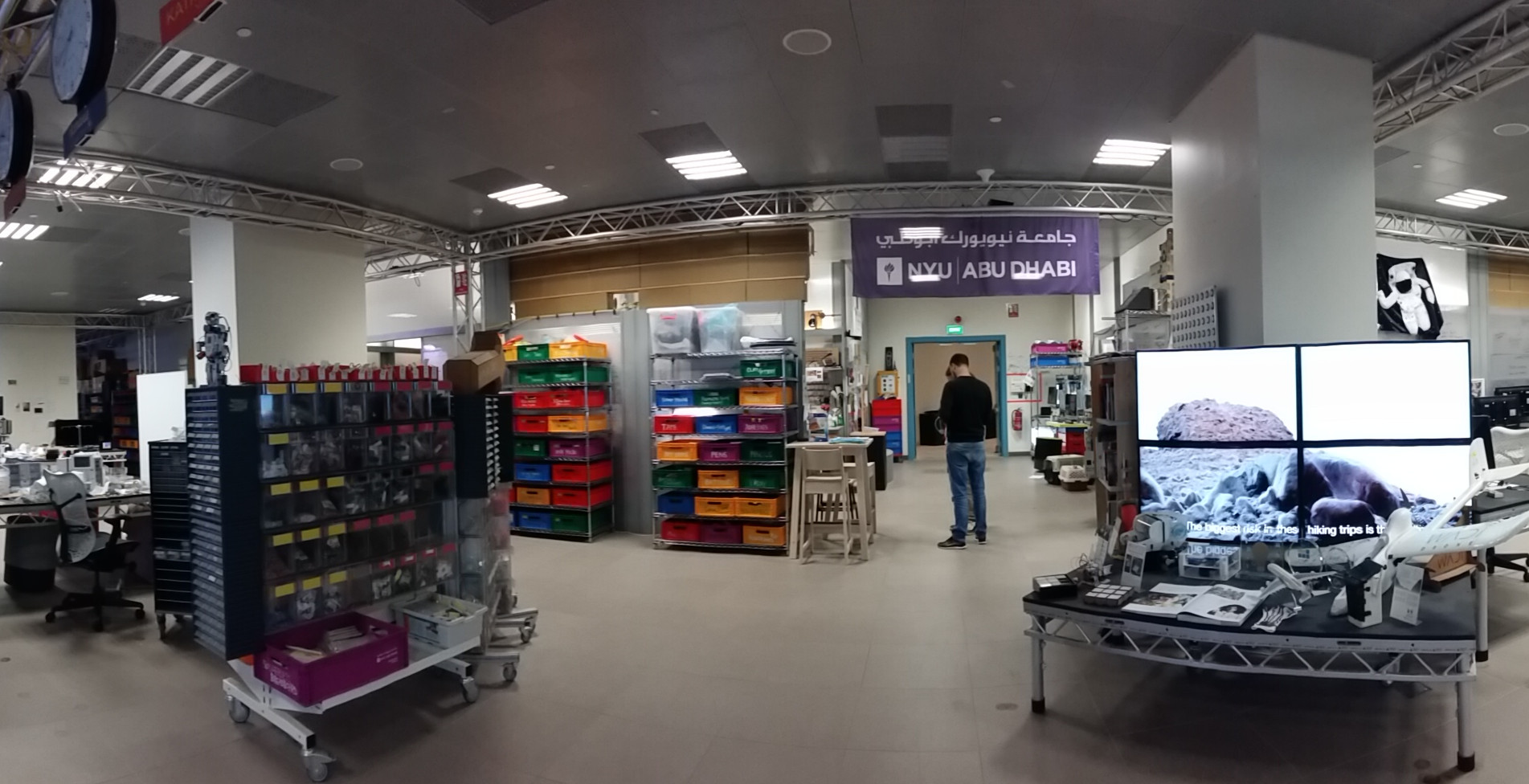
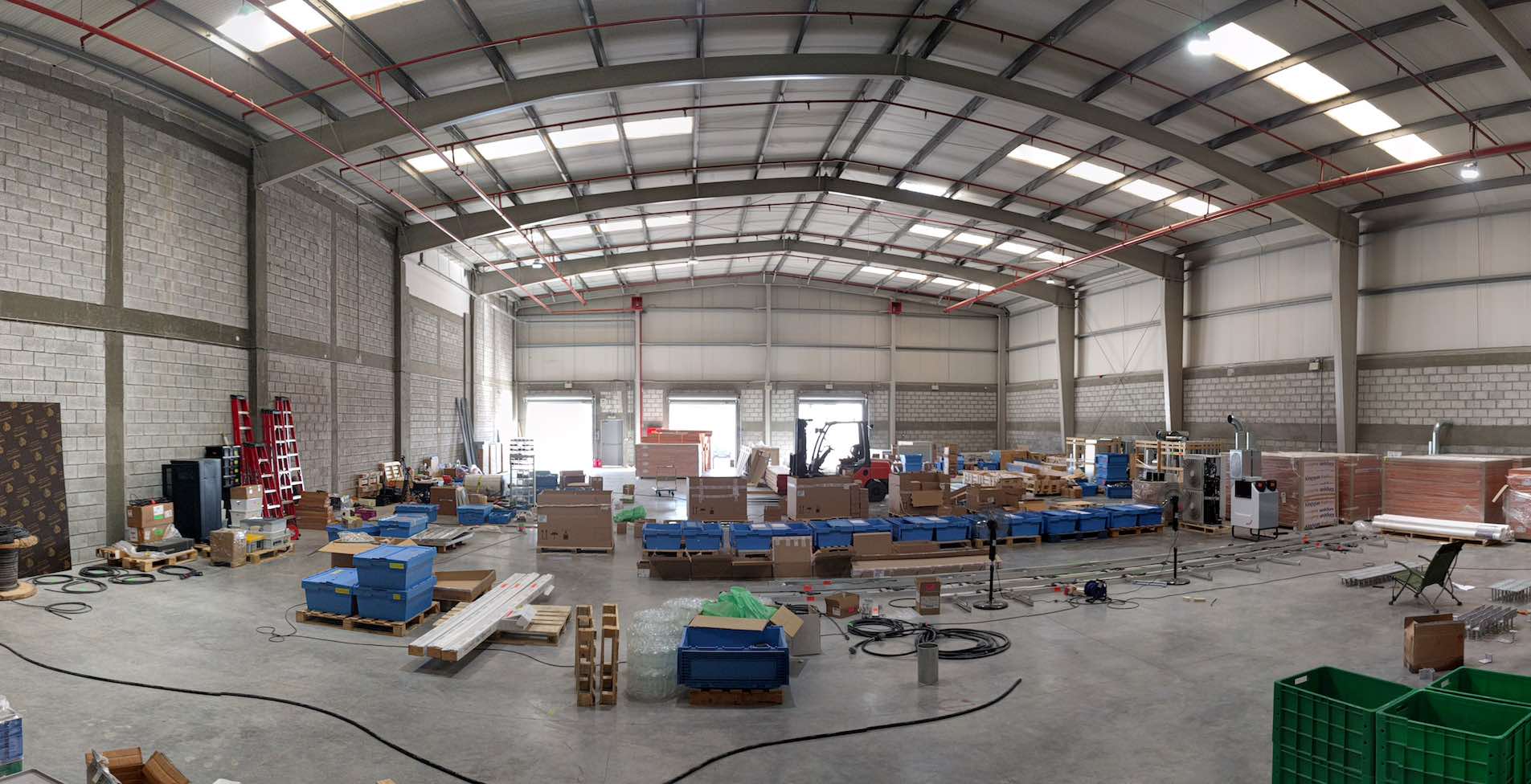
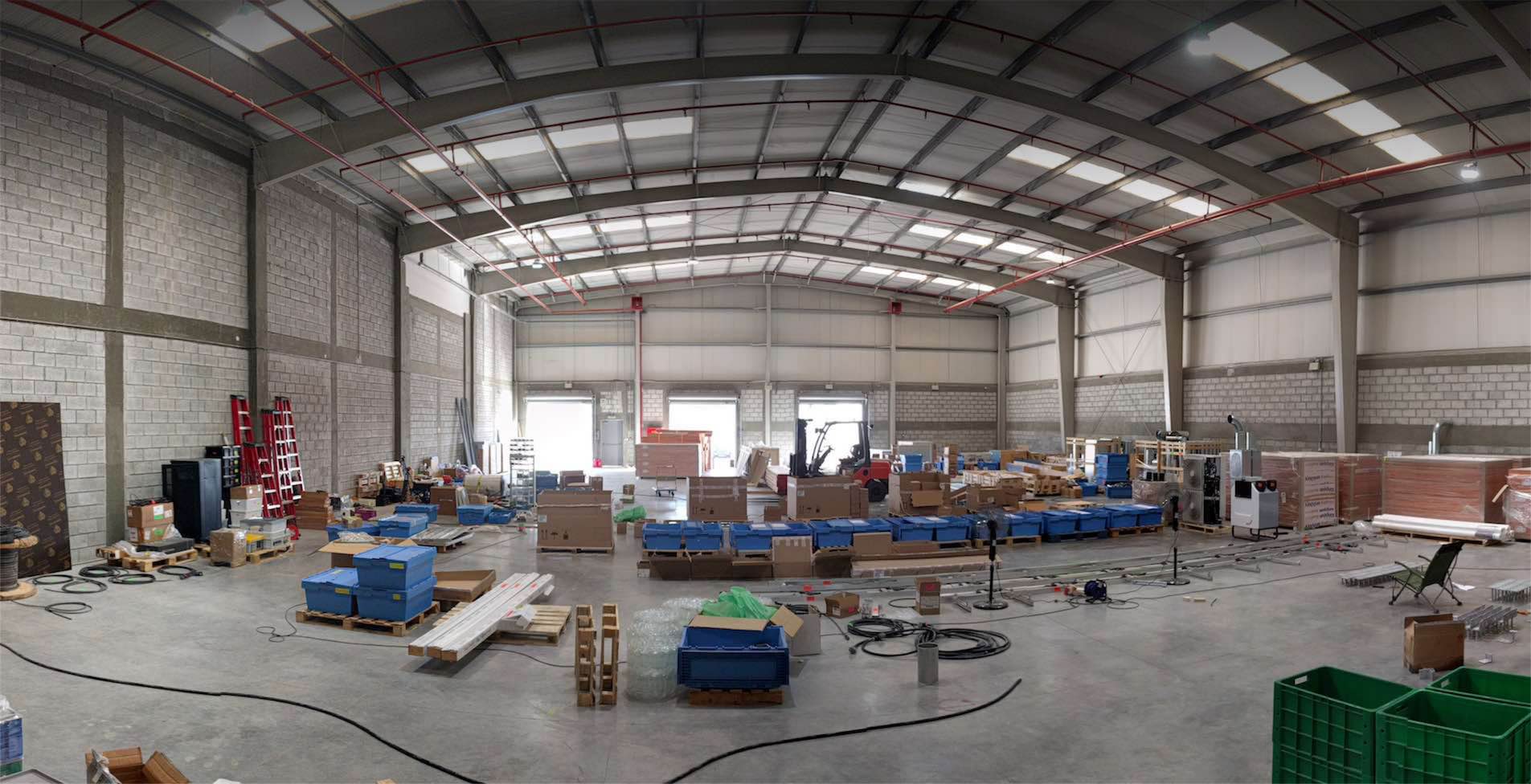
Students spent months pitching their concept to potential partners in the UAE and around the globe. They built the support necessary to execute the project through a combination of direct financial contributions and in-kind support from suppliers. Once the team had most supports lined up, they established a working outpost and logistics hub at a warehouse in Kizad (renamed KEZAD), generously donated by Abu Dhabi Ports.
The students coordinated the procurement and logistical operations for the build while still fully-enrolled as students at NYU Abu Dhabi, commuting to-and-from the warehouse in Kizad almost daily. Final construction was coordinated in conjunction with a team from German Gulf Enterprises who also foundationally assisted in procuring the Bosch aluminum profile materials that formed the structural core of the house.
Legacy
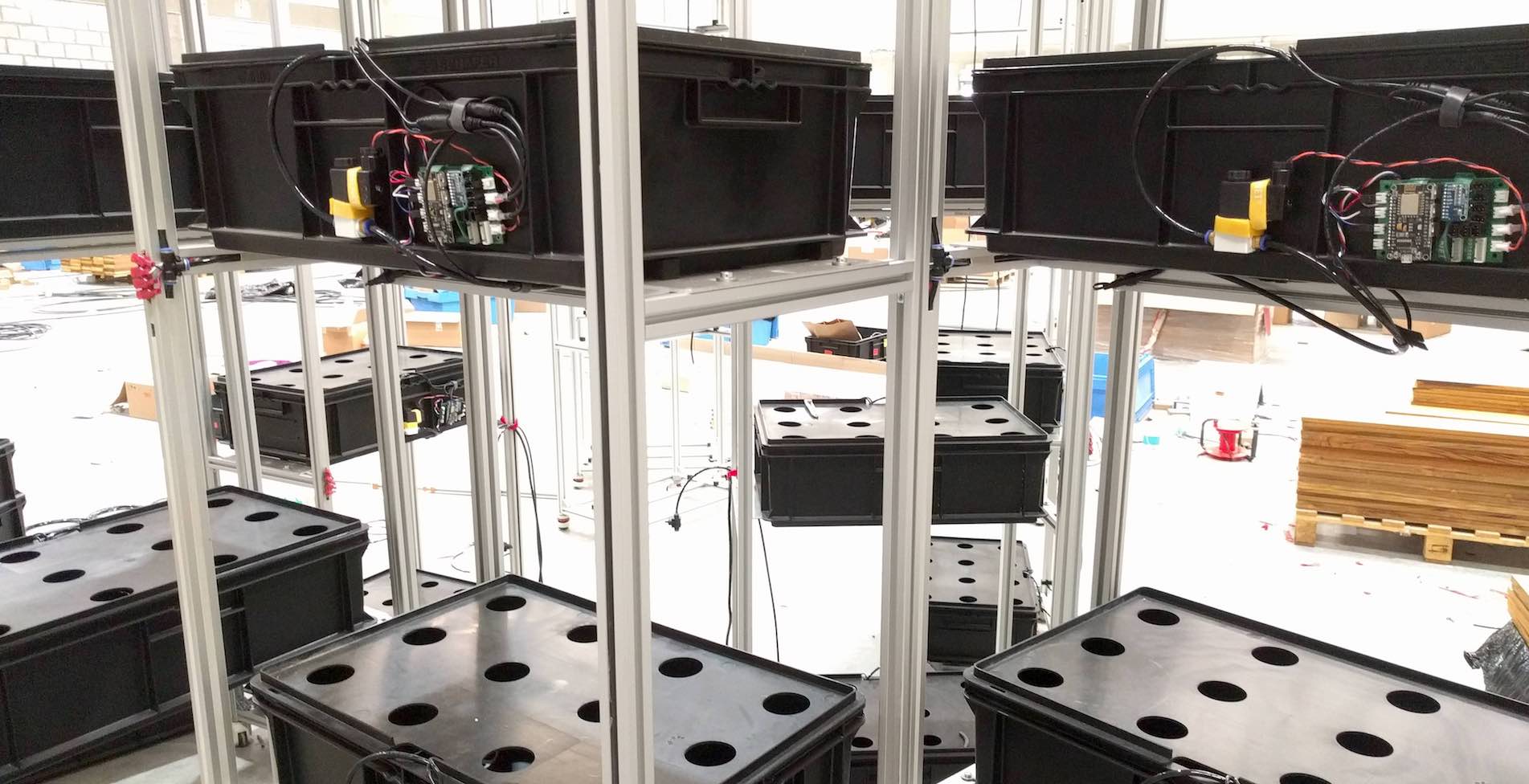
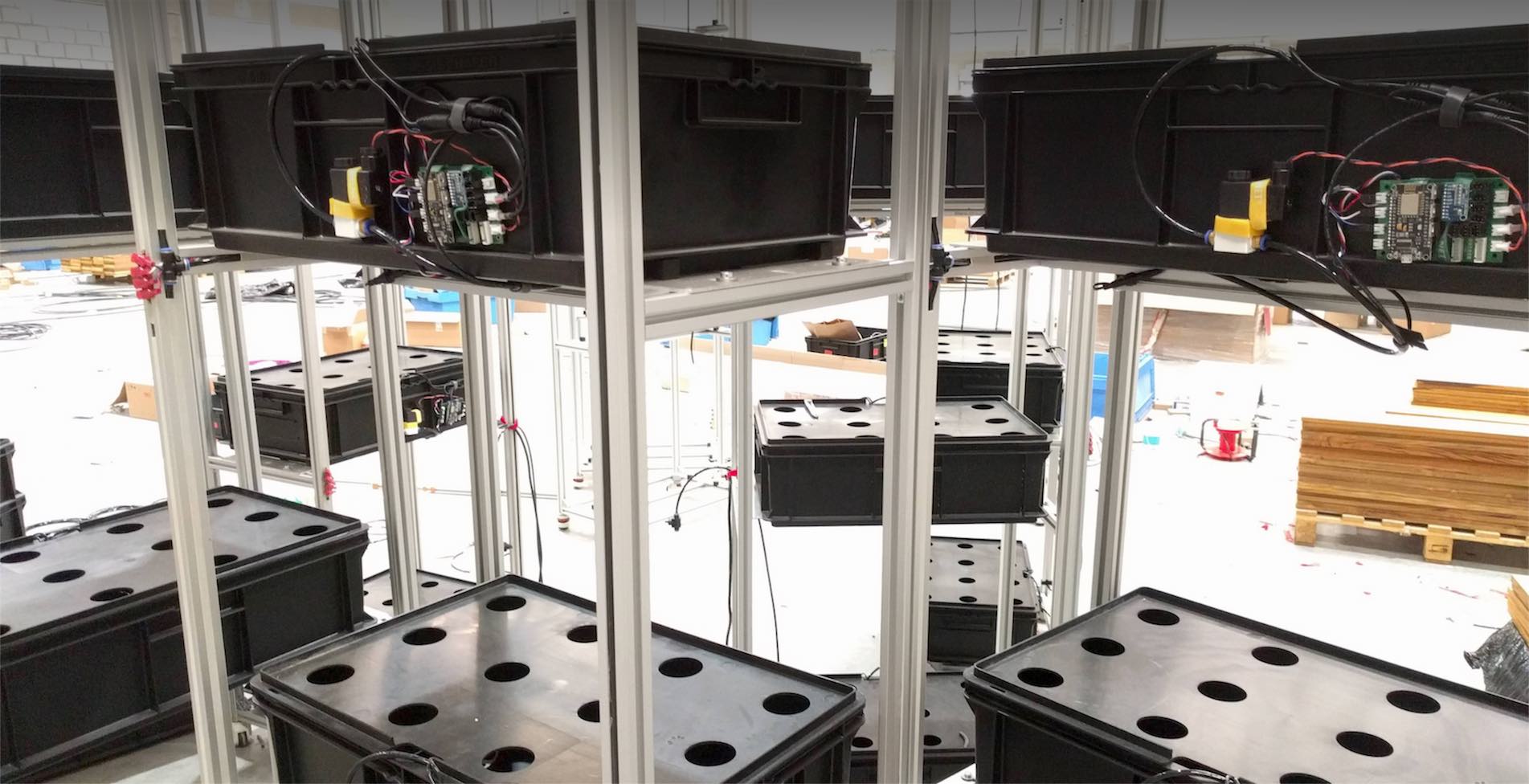
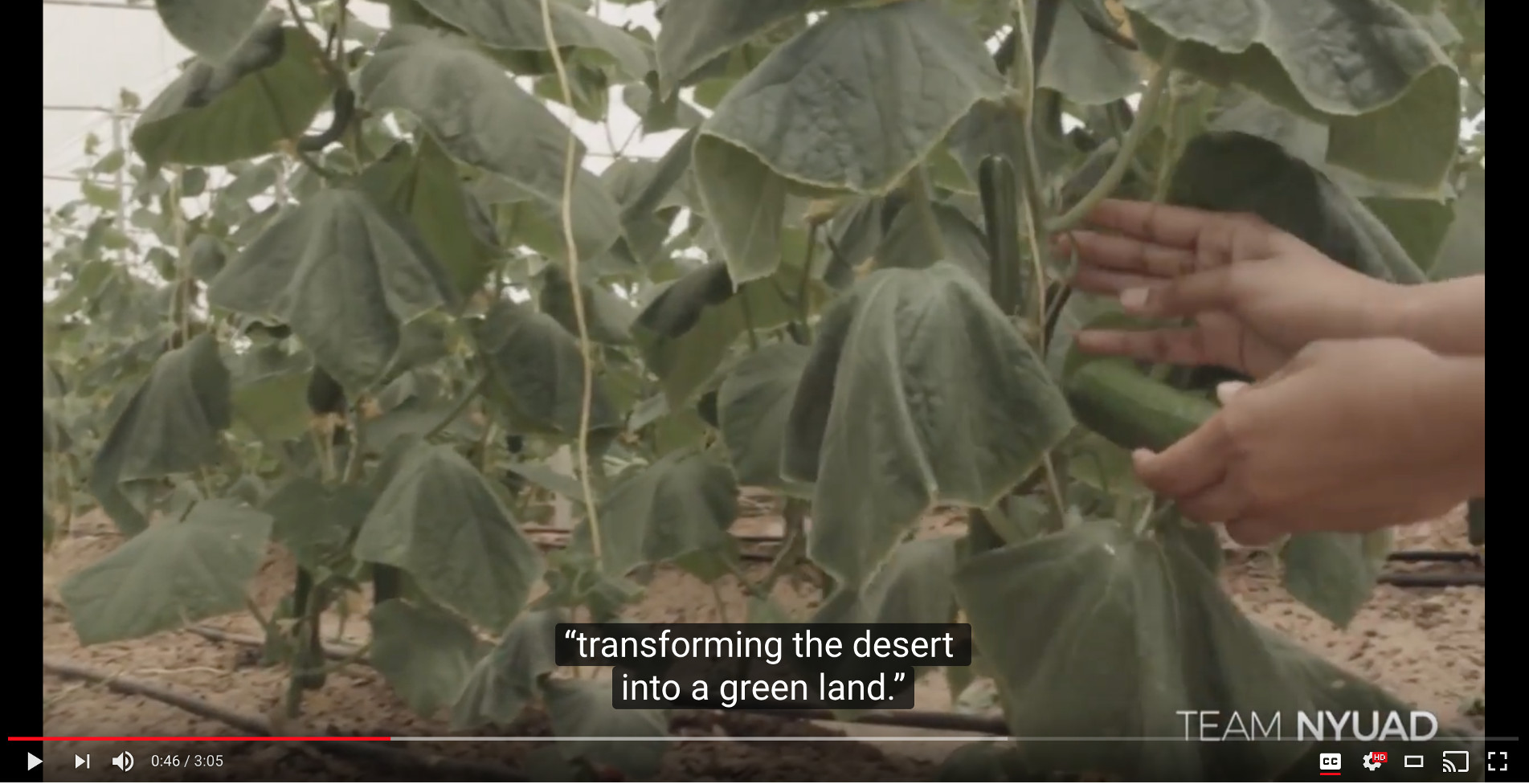
While the NYUAD team did not win the competition, they exhibited what was one of the most compelling examples of an experimental dwelling design that adhered to the team's guiding principles. In addition to the structure of the house, the team developed a complete indoor growing system using "fogponics", a nearly silent technique of watering and delivering nutrients to plants that coexists comfortably next to the day-to-day activities of a typical home.
The house was on display at the Mohammed bin Rashid Solar Park from 2018 to 2022. It was disassembled and transported to storage in a warehouse in KEZAD from 2022 to 2023. In 2023, the materials for the house were relocated to a storage facility in Umm al Quwain. Despite numerous conversations about rebuilding the house on NYUAD's campus and at other potential locations in Abu Dhabi, in August of 2025, all materials were removed from storage for disposal.
Background
The US Department of Energy and the National Renewable Energy Laboratory (NREL) organized the first Solar Decathlon competition in 2002 and hosted numerous editions in the United States (2002, 2005, 2007, 2009, 2011, 2013, 2015, 2017). The Solar Decathlon organizers have also coordinated international editions in China (2013, 2018, 2022), Europe (2010, 2012, 2014, 2019, 2021, 2023), and the Middle East (2018, 2021).
In March of 2025, the Solar Decathlon competition was renamed to the BuildingsNEXT Student Design Competition.
Note / Caveat emptor: By the mid 2010s, it was well understood that the underlying technological challenges of building sustainable, solar-powered houses were sufficiently well "solved" to the extent that university students would likely not be positioned advantageously, relative to industry-leading manufacturers, to demonstrate innovations beyond those available commercially.
Unsurprisingly, the technological and engineering "need" for such competitions has, arguably, dropped precipitously in the intervening years. This is evident by the increasing number of categories on which Solar Decathlon teams are judged that, to an outside observer, might seem somewhat arbitrarily selected and in service of an "academic" goal of creating a normal distribution of points across teams.
Team NYUAD advises any teams considering this or similarly-structured competitions to deeply reconsider. Unless you have ulterior motives, as we did, to justify the time and financial burdens that such undertakings entail, these types of competitions will likely not be worthwhile. The goal cannot be simply to win the competition.
